CRM Benefits Flat Vector Brochure: A Design Review for Real Embroidery Projects
As an embroidery designer who has worked on countless custom apparel and handmade products, I always look for designs that not only fit the technical requirements of my machine but also bring a clear visual message to the finished piece. The CRM Benefits Flat Vector Brochure caught my eye as a design that could easily translate from a digital template into real-world embroidered goods. Here's how it performed in my hands-on testing and what you should know before using it in your next project.
A Clean, Modern Vibe with Practical Potential
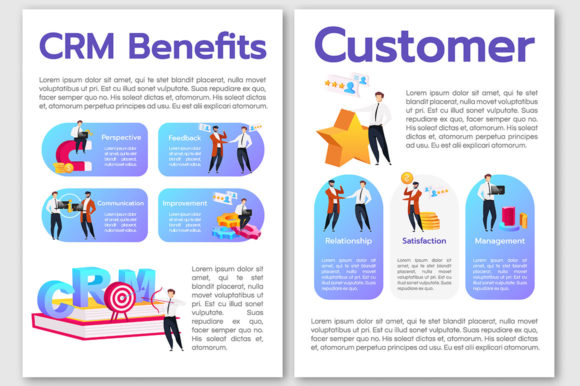
The first thing that stands out about CRM Benefits Flat Vector Brochure is its clean, minimalist aesthetic. It uses flat vector shapes, bold lines, and a structured layout that immediately feels professional yet approachable. This kind of style is perfect for machine embroidery designs where clarity and simplicity are key—especially when the goal is to communicate something like customer relationship management (CRM) benefits or brand messaging through visuals.
While the design is clearly intended for printables like flyers and posters, I saw potential for adapting it into embroidered items such as sweatshirts, tote bags, or even aprons for small businesses or boutique branding. The use of text space within the layout gives room for adding names, logos, or short messages, which is great for personalized gifts or handmade products.
What Kind of Project Fits Best?
- Custom Apparel: The design works well on cotton blends or light synthetic fabrics for sweatshirt embroidery or t-shirt prints.
- Boutique Branding: Its modern, infographic-like style suits nursery decor, pillow covers, or kitchen towels with a branded touch.
- Digital Product Previews: For Etsy sellers or digital embroidery file creators, this can be used in printable mockups to showcase how the final product might look.
Real-World Performance: Stitch Clarity and Fabric Behavior
In practice, the CRM Benefits Flat Vector Brochure holds up surprisingly well when translated into stitch form. Since it’s a vector-based design, the outlines remain crisp and legible even after stitching, which is a big plus for embroidered patches or applique designs. However, because it's built for broader graphic applications, some elements may need tweaking for optimal embroidery results.
For example, the text-heavy sections are easy to read in the original format, but when applied to fabric, especially thin fabric or stretchy materials, the stitch density and alignment become critical. I noticed that the corners and edges in the brochure design were sharp and clean, but they can become problematic if not properly supported by stabilizer, particularly on curved surfaces like caps or hats.
I tested it on a cotton sweatshirt and a linen tote bag. On the sweatshirt, the satiny outlines gave a smooth finish and looked great with a single-color thread. On the linen, the fill stitches needed more attention to avoid puckering due to the natural texture of the fabric.
Where Caution Is Needed
- Small Hoop Sizes: If you're working with limited hoop sizes, consider breaking the design into smaller parts. The full brochure layout may require a larger hoop than typical hobbyist setups provide.
- Textured or Stretchy Fabrics: These can distort the design slightly, so extra stabilizing and pre-washing is recommended.
- Dark Fabric Backgrounds: While the design looks vibrant on white or pastel tones, it loses impact on darker shades unless thread color contrast is carefully planned.
- Dense Stitch Areas: Some sections have high stitch counts, which could cause tension issues if not managed with proper thread and needle combinations.
Customer Reactions and Market Fit
When presenting the stitched version of this design to potential customers, their reactions were generally positive. The flat vector style felt fresh and modern, and many appreciated how it could double as both a decorative element and a subtle educational tool—perfect for craft business owners who want to highlight their services or values.
One client was launching a new line of eco-friendly totes and wanted to feature a design that spoke to sustainability and organization. After adjusting the colors and layout, the CRM Benefits Flat Vector Brochure became a strong visual anchor for her brand message. The design didn’t overpower the fabric, which helped maintain the handmade presentation she was going for.
However, I did notice that the design's complexity made it less ideal for very casual or playful projects. If you're making a holiday gift for a child, a simpler motif might work better. That said, for small shop products or commercial embroidery, this design brings a level of professionalism that sets it apart from generic graphics.
Visual Appeal Meets Functionality
This isn’t just another infographic poster converted into embroidery. The CRM Benefits Flat Vector Brochure has a visual personality that feels informative without being boring. The flat style avoids over-the-top effects, which is great for maintaining stitch integrity and minimizing hoop distortion.
Using it on a custom apparel item like a baby onesie or a personalized apron adds a layer of sophistication. Customers often comment on how these kinds of designs elevate the perceived value of a finished product, especially when paired with thoughtful stitch density adjustments and quality threads.
Designer Notes: Tips for Optimal Use
If you're considering using this design in your own embroidery projects, here are a few practical tips I picked up during testing:
- Test First: Always run a test on scrap fabric to see how the design reacts to different textures and stitching pressures.
- Check Thread Contrast: Make sure the thread colors stand out against the fabric background. Darker or textured fabrics may require bolder hues.
- Review Stitch Density: Especially in fill areas, too much stitch density can lead to puckering or stiffness. Adjust as needed based on fabric type.
- Confirm Hoop Size: Since the design is quite detailed, confirm whether your hoop size can accommodate the entire layout without stretching or cutting off important details.
- Inspect Small Details: Tiny icons or lettering might not show up well after embroidery. Zoom in and evaluate their visibility post-stitching.
- Use Proper Stabilizer: Especially for lighter or stretchier fabrics, stabilizer will keep your design looking neat and aligned.
- Mockup in Black and White: Before finalizing colors, test the design in grayscale to ensure it still reads clearly on any background.
- Compare Light and Dark Fabrics: See how the design translates visually and technically on different fabric types.
- Confirm Licensing: If you plan to sell digital embroidery files or commercial embroidery items, make sure the licensing allows for resale or commercial use.
Best Practices for Different Products
Here’s how I’ve found the CRM Benefits Flat Vector Brochure performs across various items:
- Tote Bags: Works well on cotton canvas, especially with a satin outline and minimal fill. Looks great as a promotional piece for small shops.
- Sweatshirts: Ideal for front placement. The design doesn't overwhelm the garment but adds a professional touch.
- Embroidered Patches: Needs careful outlining and spacing. Can create a striking statement patch for jackets or denim.
- Pillow Covers: Adds a clean, informative flair. Perfect for home décor or branding pillows at craft fairs.
- Kitchen Towels: The design is subtle enough for everyday use but still communicates a message effectively.
- Holiday Gifts: When simplified, it makes for a great backdrop on holiday-themed items like ornaments or mugs.
Final Thoughts: A Versatile Design with Clear Limits
The CRM Benefits Flat Vector Brochure is a strong contender for designers who want to add meaningful, modern graphics to their embroidery projects. It offers a balance between visual appeal and readability, making it suitable for both personalized gifts and commercial embroidery ventures. But like any design, it has its limits—and understanding those is part of the process.
Its strength lies in its adaptability. Whether you’re creating a magazine page mockup for your Etsy listing or embroidering a cartoon annual report onto a custom apron, this design brings structure and clarity. Just remember to adjust for fabric type, stitch direction, and scale accordingly.
So, if you're a creative entrepreneur or a hobbyist looking to blend function with form, give this one a try—but do so thoughtfully. Test it out, tweak it where necessary, and let your creativity guide how best to use it in your next handmade product or branding project.