First Aid for Stroke Flat Brochure Design Review
If you're in the embroidery game, whether it's for custom apparel, handmade gifts, or boutique branding, you know how crucial a design’s adaptability and visual impact can be. The First Aid for Stroke Flat Brochure is more than just another vector template—it’s a design that speaks to purpose and clarity. As an experienced designer who regularly evaluates embroidery files for real-world use, I wanted to take a closer look at how this one performs beyond the digital mockup.
A Purpose-Driven First Impression
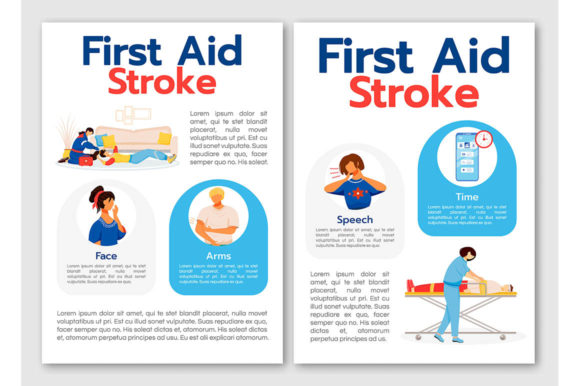
The first thing I noticed about the First Aid for Stroke Flat Brochure is its clean, informative layout. It blends medical urgency with a friendly, approachable aesthetic—something not always easy to achieve in emergency-themed designs. The flat vector style gives it a modern, minimalist feel without sacrificing readability. This makes it ideal for both educational purposes and as part of a commercial embroidery project aimed at promoting health awareness or selling branded merchandise with a meaningful message.
Visually, the brochure has a structured flow that suggests it was designed for clarity and quick information absorption. There are text boxes, icons, and diagrams—all laid out in a way that feels professional but still accessible. For someone like me who often works with clients needing clear communication through their embroidery projects, this kind of layout is a big plus. It naturally fits into items like tote bags, sweatshirts, or even embroidered patches that double as awareness tools.
What Kind of Embroidery Project Does It Belong To?
This design thrives on projects where the message needs to stand out clearly. Think of a sweatshirt embroidery for a local hospital’s charity event, or a tote bag design for a wellness-focused Etsy shop. It could also work well as part of a nursery decor collection if adapted subtly, such as using it as a base for a baby-safe informational poster turned into an embroidered wall hanging.
I see potential for it in commercial embroidery too, especially for businesses looking to align with public health initiatives. The theme is serious but not overly dramatic, making it versatile enough to fit into both personal and professional contexts.
Real-Life Stitching Performance
Let’s talk practicality. When evaluating an embroidery file, I consider how it will translate from screen to fabric. The First Aid for Stroke Flat Brochure does well in most scenarios, provided you’re mindful of certain limitations.
- Satin Stitch Elements: The bold outlines and clear lines of the brochure make it well-suited for satin stitch techniques. These areas hold up nicely on medium-weight fabrics like cotton or polyester blends, giving the design a polished, professional finish.
- Fill Stitch Areas: The infographic-style sections within the brochure rely heavily on fill stitches. These can become muddled if not properly spaced, especially when working with thin or stretchy materials. You’ll want to test stitch density carefully before finalizing your production run.
- Running Stitch Details: Smaller icons and arrows tend to use running stitch patterns, which are great for saving space and reducing bulk. However, they might not show up as sharply on dark-colored garments or textured surfaces like canvas or denim. Always compare light and dark backgrounds during your testing phase.
For handmade product creators, the brochure’s modular layout is a bonus. You can isolate key elements—like the stroke symptoms checklist or the emergency contact section—and repurpose them as standalone embroidered patch designs. That kind of flexibility is gold for crafters and Etsy sellers who want to maximize the value of a single asset across multiple products.
Where to Use It Carefully
While the First Aid for Stroke Flat Brochure is adaptable, there are situations where extra attention is needed:
- Small Hoop Sizes: If you plan to embroider this on something like a cap or hat, the entire brochure may be too large. Consider scaling down individual components rather than compressing the whole design.
- Textured or Stretchy Fabrics: The fine details and text-heavy sections may get distorted if stitched onto stretchy materials like knits or thick, uneven textures like burlap or felt. A good stabilizer is essential here.
- Dense Stitch Areas: The infographic sections are visually rich but can lead to heavy stitching. On delicate fabrics, this might cause puckering or distortion. Test these areas on scrap fabric first to adjust density or spacing.
- Dark Fabric Backgrounds: While the design uses bright colors, thread visibility can suffer on darker bases. Try black-and-white mockups early on to ensure contrast and legibility.
Impact on Product Value and Customer Trust
One of the biggest advantages of this design is its ability to convey professionalism and trustworthiness. Whether you're creating a personalized gift for a healthcare worker or designing a small shop product for a wellness brand, the brochure’s structure and content can add real value.
Customers tend to respond positively to embroidery that communicates useful information. An embroidered sweatshirt with a simplified version of the brochure can serve as both fashion and function, especially if paired with a subtle color palette. For holiday embroidery or gift items, this design could easily be reimagined with festive accents while keeping the core message intact.
It also supports brand consistency. If you're part of a craft business focused on health-conscious themes, using this design helps reinforce your identity. Its clean format ensures that even after stitching, the message remains clear and impactful.
Design Notes for Embroidery Success
Here are some tips to help you get the best results when using the First Aid for Stroke Flat Brochure in your embroidery projects:
- Test on Scrap Fabric: Before committing to a full batch of custom apparel or Embroidery Projects, try stitching the design on a few scraps. This will help you identify issues with stitch density, color contrast, and overall placement.
- Check Thread Color Contrast: Especially important for digital embroidery file users. Make sure your chosen thread colors pop against the fabric background. Sometimes, what looks good on-screen doesn’t translate perfectly in real life.
- Review Stitch Density: Infographics and text blocks require careful management of stitch density to avoid stiffness or puckering. Adjust based on the fabric type and intended use of the finished product.
- Confirm Hoop Size: Depending on the size of the brochure and where you plan to place it (e.g., center back of a sweatshirt or a decorative panel on a tote), you may need to split the design into smaller parts or use larger hoops.
- Inspect Small Details: The brochure includes several small icons and arrows. Ensure these remain visible after embroidery by adjusting stitch types or using finer threads.
- Use Proper Stabilizer: For any fabric that isn’t tightly woven or smooth, invest in a good cutaway or tear-away stabilizer to maintain the integrity of the design.
- Check Licensing: If you’re planning to sell finished items or offer the embroidery design as a digital product on platforms like Etsy, confirm the licensing terms included in the ZIP file. Not all templates allow commercial use without additional permissions.
Visual Appeal Meets Practicality
In today’s market, people expect more from their handmade products—they should be both beautiful and useful. The First Aid for Stroke Flat Brochure walks that line well. Its flat, vector-based style ensures it looks crisp and modern when stitched, while the thematic elements provide real-world relevance.
When applied to a pillow cover or kitchen towel, the design brings a touch of education into everyday objects. For apparel decorators, it adds a layer of thoughtfulness to standard items like hoodies or aprons. And for those selling small shop products, it can elevate your offerings from simple crafts to meaningful keepsakes.
Giftability and Buyer Engagement
As someone who reviews designs for personalized gifts and holiday embroidery, I find that this brochure has strong gift appeal. It’s not just decorative—it tells a story. Buyers appreciate that. Whether it's a thoughtful birthday gift or a unique item for a wedding gift collection, the design offers a level of engagement that goes beyond aesthetics.
That said, don’t underestimate the importance of presentation. The brochure’s educational tone means it should be used intentionally. Pair it with high-quality stitching and appropriate substrates, and you’ll create a product that stands out in craft fair settings or among curated handmade shop inventory.
Final Thoughts for the Designer
The First Aid for Stroke Flat Brochure is a solid addition to any designer’s design assets library. It’s not just a pretty pattern; it’s a design that serves a purpose and enhances the value of the embroidered product it adorns. But like all good designs, it requires some thoughtful preparation and adjustments to suit different projects and fabrics.
Whether you're an embroidery designer, creative entrepreneur, or digital product seller, this design invites you to think beyond the stitch count and consider how the message translates across mediums. It's a chance to blend artistry with awareness—something that resonates deeply in our current world.
Remember: every machine embroidery design deserves a test run. Check stitch compatibility, hoop sizes, and fabric suitability. Once you do, you’ll likely find that the First Aid for Stroke Flat Brochure is a reliable and impactful choice for your next project.