★★★★☆4.1(421 reviews)
Self-Control Techniques Vector: A Modern Graphic Template for Small Business Branding
First Impressions and Brand Personality
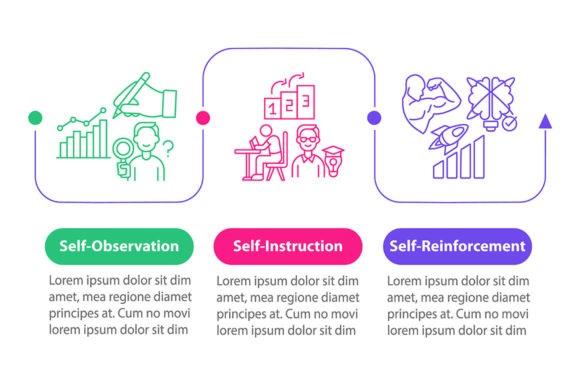
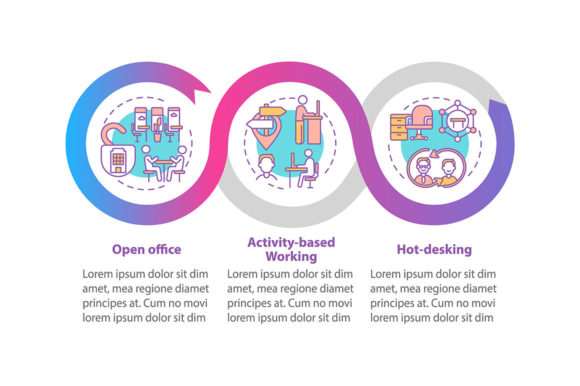
As an experienced brand designer, the first thing that caught my eye with Self-Control Techniques Vector was its clean, structured layout. The infographic-style presentation immediately communicates a sense of order and intentionality. This design asset feels modern, yet approachable — perfect for brands that want to project professionalism without losing warmth or relatability. The three-step data visualization is especially compelling. It suggests a process-oriented mindset, which can align well with businesses focused on mindfulness, wellness, or personal development. However, I also see how this structure could be repurposed creatively for local ventures like a handmade soap shop or a skincare boutique that wants to illustrate their product creation journey or customer benefits in a clear visual format. The linear icons and workflow layout give it a calm, logical tone. While not overtly decorative, it offers enough subtle detail to add interest without overwhelming the viewer. For a local bakery or florist, this could translate into a professional but inviting look when applied to packaging or social media content.Real-World Applications for Local Businesses
One of the most valuable aspects of this graphic template is its versatility. As a brand designer working with small business owners, I often need assets that can be adapted across multiple touchpoints. Self-Control Techniques Vector fits the bill here. For example, imagine a coffee shop launching a new line of organic, cold-brew blends. They might use this vector as part of a promotional banner explaining their brewing method in three easy steps. The timeline chart could help customers understand the care and precision behind each cup — building customer trust through clear visual hierarchy. On product labels, the design elements can serve as accents or background motifs. If used sparingly, they enhance readability while adding a layer of sophistication. A children’s product brand could integrate the vector into printable inserts or hang tags, using the infographic style to explain how to use a toy safely or effectively. Social media managers will appreciate the adaptability of the vector for creating cohesive campaign visuals. Whether it's illustrating a self-care routine for a wellness brand or breaking down a seasonal promotion into digestible steps, this asset supports storytelling in a visually engaging way.Supporting Stronger Brand Presentation
When designing for small businesses, consistency is key. The Graphic Templates nature of Self-Control Techniques Vector allows for seamless integration across different materials. From logo design to flyer graphics, having a unified visual language strengthens brand identity and improves product recognition. I’ve found that using such structured infographics can significantly boost first impression impact. A candle brand showcasing a calming production process, for instance, can use this template to highlight ingredients and craftsmanship. The result? More emotional connection with the audience who values transparency and quality. Another benefit is its contribution to professional branding. Even on low-cost packaging or printed price lists, this vector maintains a polished appearance. That’s crucial for food businesses and home decor shops that rely on visual appeal to stand out in competitive markets.Best Use Cases for Brand Designers
- Product Labels: The three-step layout works well for step-by-step instructions or ingredient highlights.
- Packaging Accents: Linear icons can subtly reinforce brand messaging without distracting from key information.
- Holiday Campaigns: For a seasonal product campaign, the timeline format could guide customers through a festive experience or event.
- Marketing Visuals: Use it as a hero graphic on digital banners or print posters to simplify complex ideas.
- Editorial Design: Ideal for blog posts or email newsletters explaining processes or strategies related to your products.
- Print Mockups: When placed on mockups of boxes, bags, or jars, it elevates the overall aesthetic and makes the product more appealing on shelves.
Use with Caution: Practical Limitations
While Self-Control Techniques Vector is a strong asset, there are situations where it may not be the best fit. For formal corporate branding or luxury minimalist brands, the design could feel too busy or informal.- Very Small Labels: The details may become lost if not scaled appropriately.
- Crowded Packaging: If you already have a lot of text or imagery, the vector might compete for attention rather than complement it.
- Ingredient-Heavy Layouts: Its decorative elements could make reading nutritional info or allergen warnings harder.
- Legal Information Areas: Avoid using it near disclaimers or terms and conditions to keep those sections serious and legible.
- Low-Contrast Backgrounds: Make sure the colors you choose allow for sufficient contrast between the vector and the background.
Designer Tips for Effective Use
Here are some practical notes I always follow when integrating this kind of graphic design asset into a project:- Test on Real Packaging Mockups: See how it looks at scale before finalizing any print or production work.
- Check Black and White Usage: Will the vector still communicate effectively in grayscale?
- Preview on Small Labels: Ensure the design doesn’t get cluttered or lose clarity when shrunk down.
- Test with Brand Colors: Does it harmonize with your client’s existing color palette or require adjustments?
- Compare with Competitor Packaging: How does it help differentiate the brand visually?
- Review Print Quality: Confirm that PNG transparency or SVG scalability won’t affect the final output.
- Inspect SVG or Vector Editability: If customization is needed, ensure the file format supports it.
- Test Beside Different Fonts: Try it with serif, sans serif, script, handwritten, and display fonts to find the right balance.
- Confirm Commercial Licensing: Always verify that the commercial license covers the intended use, especially for physical product sales or branding projects.
Conclusion for Creative Entrepreneurs
In summary, Self-Control Techniques Vector is a powerful Graphic Template that brings structure and elegance to visual storytelling. It supports stronger brand identity, clearer communication, and more polished marketing visuals — all essential for local businesses aiming to build trust and stand out. Whether you're a packaging designer crafting labels for a handmade seller or a social media manager looking for fresh infographic styles, this vector offers a modern solution that can be tailored to many industries. Just remember to test it thoroughly and consider the context in which it will be used. By thoughtfully integrating this graphic design asset, you can create visuals that not only look professional but also resonate with your target audience on a deeper level.
⬇️ Download Free
Free download · No sign-up required
🔗 You Might Also Like
Graphic Templates
As a seasoned brand designer, I often look for graphic design assets that not on...
Graphic Templates
A Warm and Eco-Conscious First Impression As a brand designer who regularly work...
Graphic Templates
As a brand designer with years of experience working with local businesses, I’m ...
Graphic Templates
As a seasoned blog designer and digital publisher, I’m always on the lookout for...
Graphic Templates
As an experienced brand designer, I always look for graphic design assets that n...
